350 million years ago in the Catskills trees took root, shaping ecosystems that would one day sustain humans for nearly 150,000 generations. Today, such native trees continue to anchor biodiversity, stabilize the climate, and hold deep cultural meaning. Yet with many species under threat, thoughtful stewardship and reforestation are essential to preserving their legacy.
In New York City, the tree canopy—the percentage of the city shaded by tree branches—currently covers 23% of its surface. The city’s goal is to grow that to 30% by 2035, working with local organizations to focus planting efforts within historically marginalized neighborhoods with limited access to greenery. That additional 7% could make a world of difference: cleaner air, cooler streets, improved health, and a welcome boost to biodiversity across the boroughs.
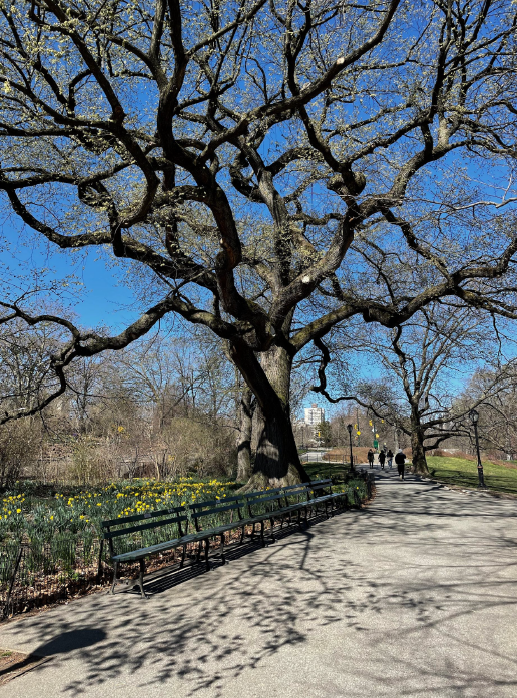
Native trees don’t just beautify our surroundings—they shape the health of entire ecosystems. Species like Canadian Serviceberry and Eastern Redbud support hundreds of pollinators and birds, while reducing urban heat and improving air quality. By contrast, many popular non-native trees, though ornamental, offer less ecological value and at times can disrupt local habitats.
You don’t need to be an arborist to help restore balance. Planting native species at home, volunteering for community tree programs, or simply learning to identify the trees around you all contribute to a more resilient urban forest. The next time you walk beneath a leafy canopy, take a moment to look up. The shade above you is the product of millions of years of natural evolution and human care. Its future depends on both.
At John Mini, we share this belief in the power of native trees to transform urban life: one canopy, one community, and one act of stewardship at a time.
Let's Talk