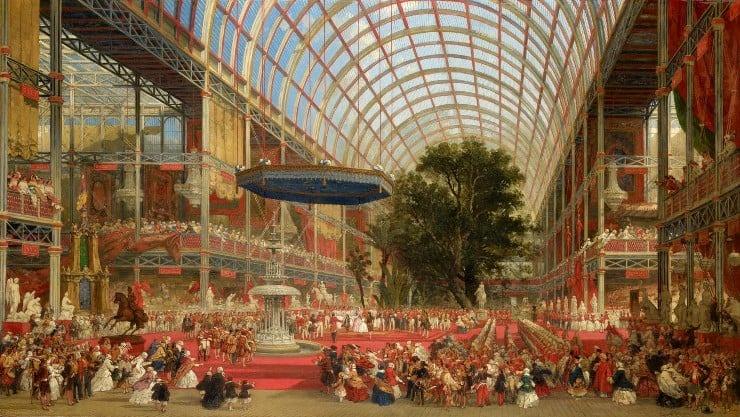
Atriums, as architectural phenomena, have endured as a testament to humanity’s intrinsic desire to harmonize constructed environments with the natural world. They have long served as focal points, blending indoor and outdoor elements to create inviting and functional spaces. Originating from ancient civilizations, these open-air courtyards have evolved into modern glass-enclosed botanical spaces that serve aesthetic, environmental, and wellness purposes.
Rome: The Archetype of the Atrium
The inception of the atrium can be traced to ancient Rome, featuring central, open courtyards surrounded by living spaces. These early atriums, often adorned with plants and water features, provided ventilation, natural light, and social congregation. The wealthiest citizens adorned their atria with horticultural elements—olive trees, laurel shrubs, and vibrant floral arrangements. Such integrations of flora underscored themes of prosperity but also cultivated their connection to nature.
Renaissance Revival and Baroque Grandeur
During the Renaissance, atriums re-emerged in grand European estates and monasteries, often featuring elaborate gardens and intricate architectural designs. The introduction of glass in the 17th and 18th centuries allowed for more controlled environments, leading to the development of orangeries and conservatories, which protected exotic plants from harsh climates.
The subsequent Baroque era elevated these concepts. Their atriums and conservatories flourished with exotic plant collections—orchids, ferns, and other botanical rarities—serving as both status symbols and microcosms of colonial exploration. These spaces became arenas for the display of wealth, knowledge, and an ever-expanding curiosity about the natural world.